Our History
A landmark venue with over a century of music and entertainment
A Historic Venue
Ayr Pavilion stands as one of Scotland's most significant entertainment venues, with a rich history spanning over a century. Situated on Ayr's Low Green, this architectural gem has played host to countless memorable performances and events.
From its early days as a purpose-built concert hall to its current evolution as a multi-purpose event space, Ayr Pavilion has remained a cornerstone of Ayrshire's cultural landscape.
Built for Performance
Architectural Heritage
Ayr Pavilion was built in 1911 to designs by the renowned architect James Kennedy Hunter. Hunter's vision created a venue that combined elegant architecture with excellent acoustics and sightlines.
The building's design reflects the Edwardian era's commitment to public entertainment spaces, featuring a beautiful auditorium that originally accommodated approximately 600 seats. The venue's elegant proportions and careful attention to detail created an intimate yet grand setting for performances.
Key Facts
- Built: 1911
- Architect: James Kennedy Hunter
- Original Capacity: ~600 seats
- Location: Ayr's Low Green
- Status: Historic building
A Legacy of Legendary Performances
Throughout its history, Ayr Pavilion has welcomed some of the world's most iconic musicians and performers. The venue's stage has seen countless legendary acts that have left their mark on music history.
Rock & Metal Legends
- 🎸 Iron Maiden - Heavy metal pioneers
- 🎸 Rory Gallagher - Blues rock virtuoso
- 🎸 Ian Gillan - Deep Purple frontman
- 🎸 Gary Numan - Electronic music innovator
Electronic & Alternative
- 🎹 New Order - Post-punk icons
- 🎸 Faith No More - Alternative metal trailblazers
- 🎵 Many more across all genres
These performances represent just a sample of the incredible talent that has graced Ayr Pavilion's stage over the decades. Each artist contributed to the venue's reputation as one of Scotland's premier music destinations.
Through the Decades
1911 - The Beginning
Ayr Pavilion opens its doors, designed by architect James Kennedy Hunter. The new venue immediately becomes a focal point for entertainment and culture in Ayrshire, hosting concerts, theatrical performances, and community events.
Mid-20th Century - Golden Age
The venue continues to thrive, hosting a wide variety of performances from classical concerts to popular music acts. The Pavilion establishes itself as a premier destination for live entertainment in the region.
1980s-1990s - Rock & Alternative Era
Ayr Pavilion becomes a must-play venue for major touring acts. Legendary bands including Iron Maiden, New Order, Rory Gallagher, and many others perform to enthusiastic audiences. The venue gains national recognition as a key stop on major tours.
2000s - Evolution
The venue adapts to changing entertainment landscapes, continuing to host diverse events while maintaining its reputation for quality live music and performances.
2020s - A New Chapter
Ayr Pavilion enters an exciting new era, evolving into a multi-purpose event space that honors its rich musical heritage while embracing new opportunities. The venue now hosts a wide range of cross-genre music and cultural events, from live bands and tribute acts to comedy nights, wrestling events, family shows, and much more.
A Cultural Landmark
Ayr Pavilion holds a special place in Scotland's musical and cultural heritage. For over a century, it has served as a gathering place where communities come together to experience the power of live performance.
The venue's architectural significance is recognized, with the building standing as a testament to Edwardian-era design and construction. Its location on Ayr's Low Green places it at the heart of the town's historic center, making it both a cultural and geographic landmark.
Today, Ayr Pavilion continues to build on this rich legacy, welcoming new generations of performers and audiences while honoring the traditions and memories of its storied past.
Photo Gallery
A visual journey through the Pavilion's incredible history — from the legendary rave era to the Pirate Pete's years and beyond.
🎵 The Rave Era (1989–2000s)
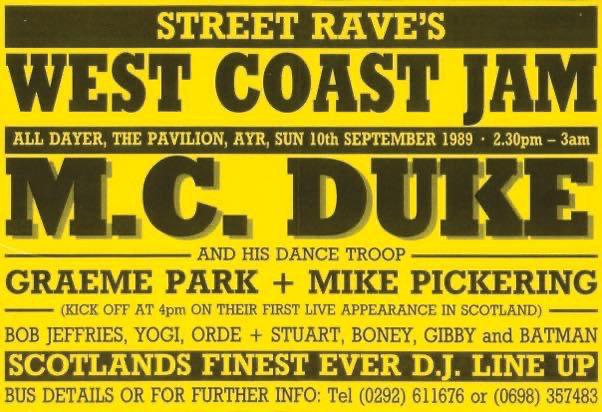
Street Rave West Coast Jam, 1989
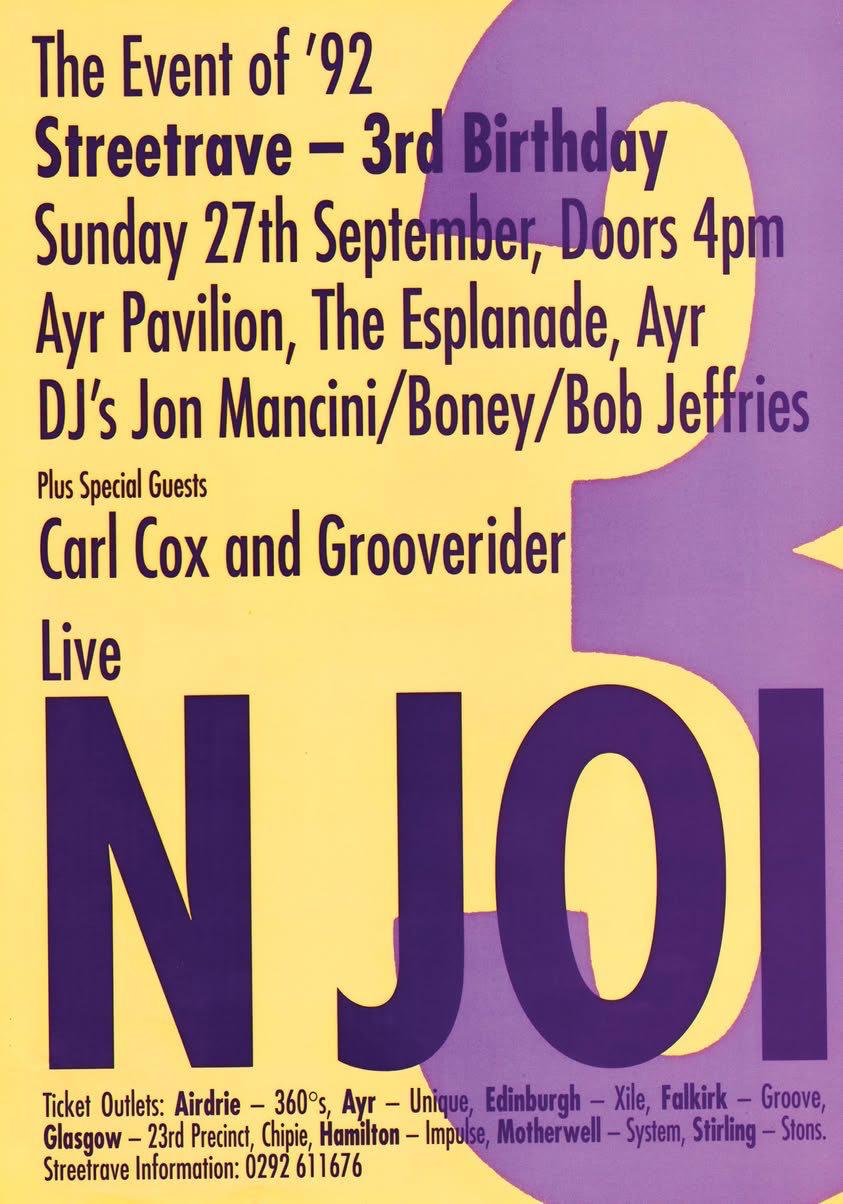
Streetrave 3rd Birthday, 1992
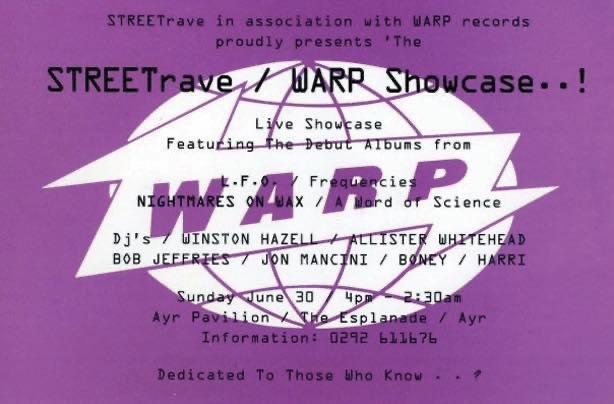
STREETrave x WARP Showcase
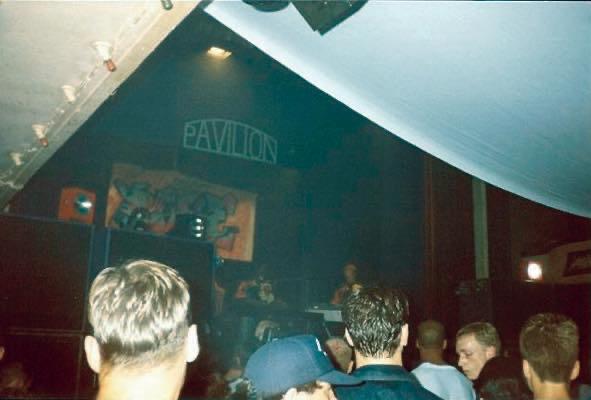
Inside the Pavilion, 1990s
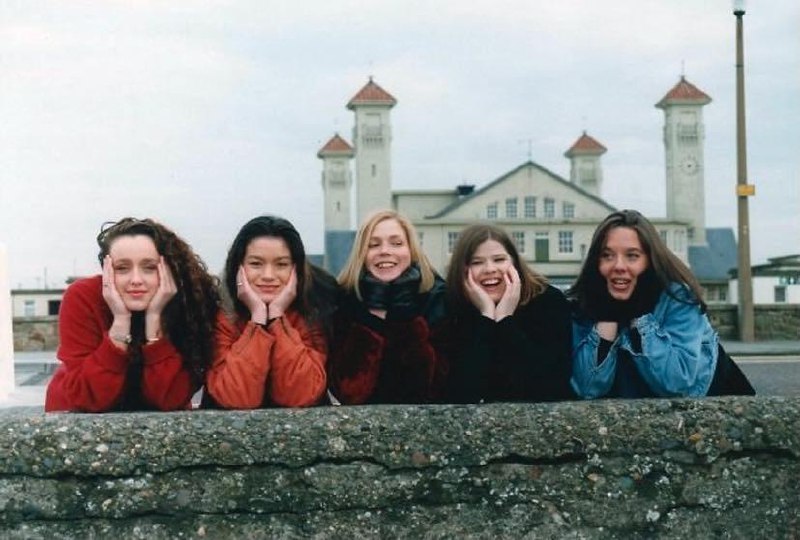
Outside the Pavilion, 1990s
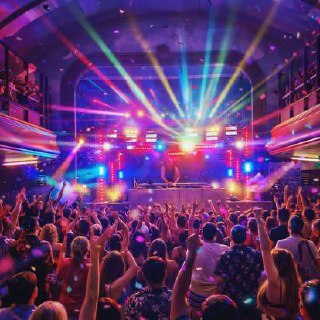
Packed out with full production
🏴☠️ The Pirate Pete's Era
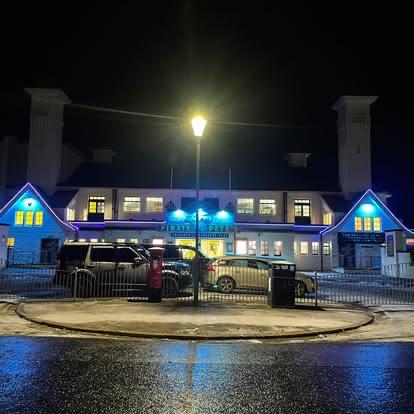
Pirate Pete's era
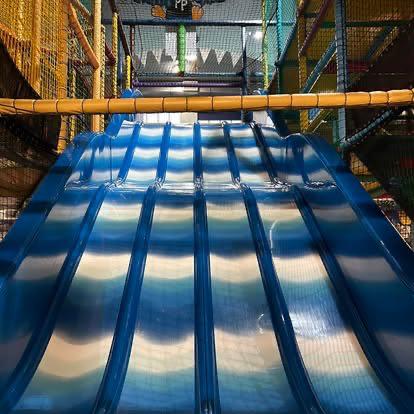
The famous slides
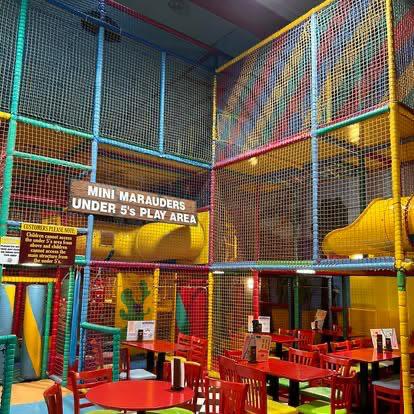
Mini Marauders
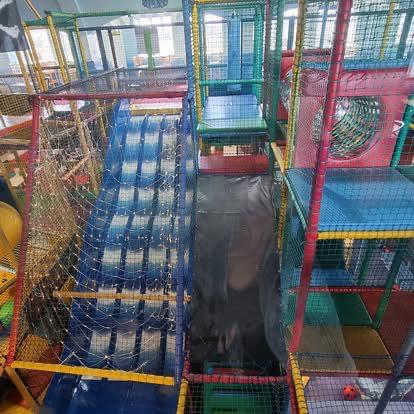
The play frame
🎶 The Return (2025–Present)
The Pavilion returns — full production
Sources
Historical information compiled from public records, architectural databases, and performance archives. For more information, visit the Wikipedia article or consult the Theatres Trust Database.